
Skip to content

Viper Experience: Using an Industrial Thermal Camera

Complete Solutions for Industrial Process Monitoring

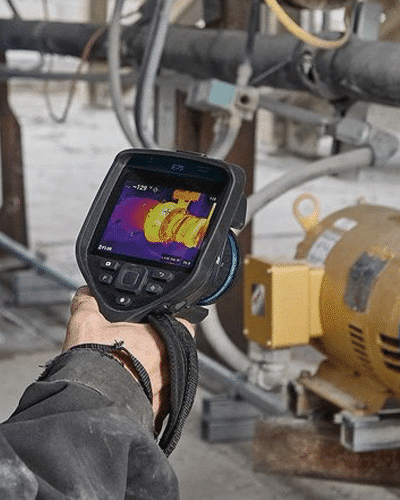
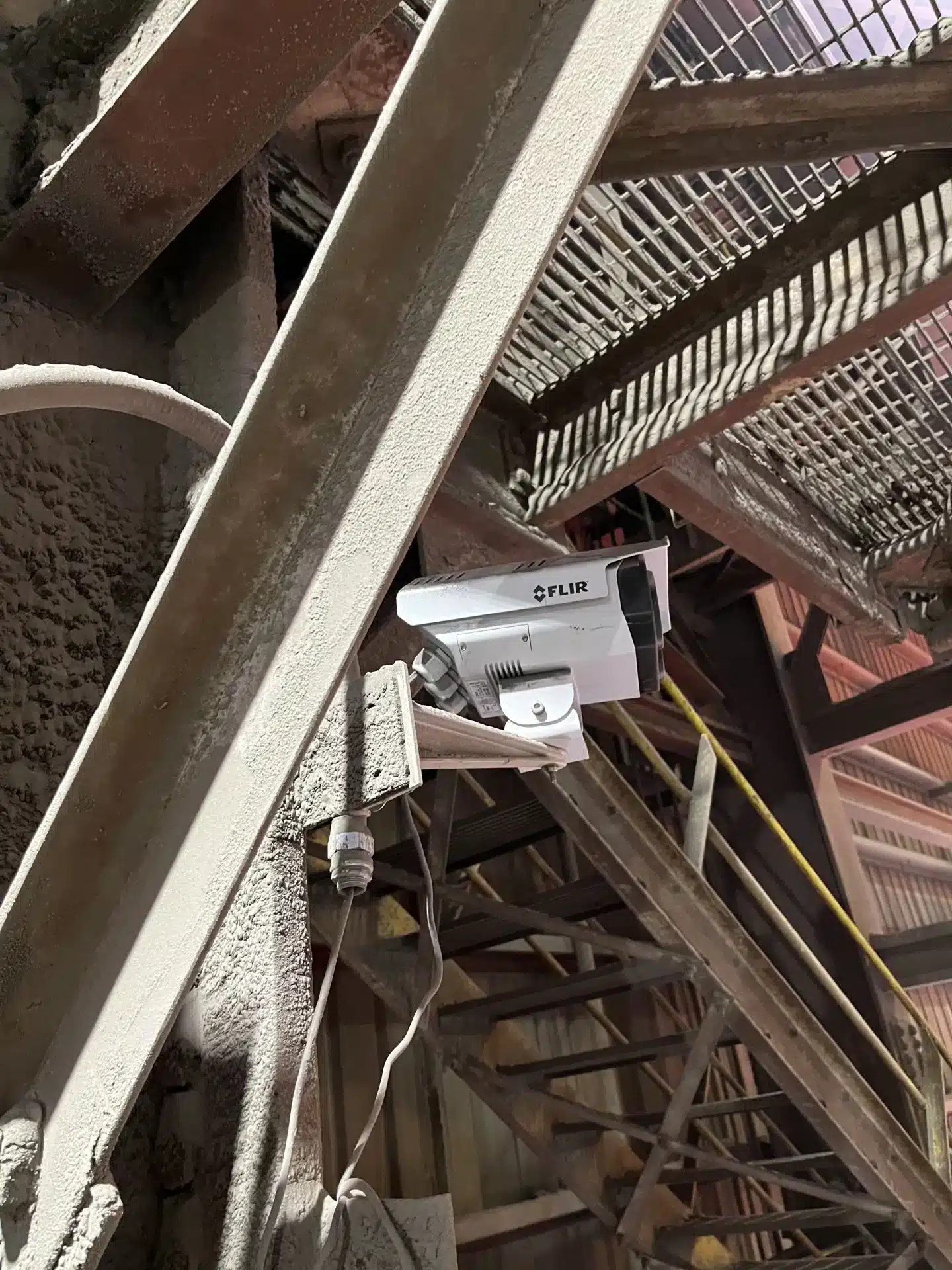
At Viper Imaging, we are dedicated to meeting the unique needs of our industrial clients. As a top supplier and integrator of thermal imaging-based systems and process monitoring equipment, we have a track record of success in various commercial applications, such as metals, energy production and distribution, oil and gas, wood products, and industrial automation. A thermal imaging system consists of multiple components working together, including the camera device, lenses, and processing units, to produce accurate thermal images and temperature measurements. Industrial thermal cameras are capable of detecting overheating motors, bearings, conveyor belts, and heat leaks in faulty thermal insulation, which improves the efficiency of heating and air-conditioning units. These thermal imaging devices are essential tools for predictive maintenance and quality control across various industries. Additionally, thermal imaging is used for inspecting solar panels to monitor their performance and condition. Optical Gas Imaging (OGI) cameras are also utilized to identify hazardous gas leaks, such as methane, and to monitor flares in oil and gas industries.

Our team has decades of combined experience in working with infrared and thermal imaging technology. Uncooled infrared cameras use different sensor materials, such as ferroelectric materials and microbolometers, which possess distinct temperature-dependent properties that affect the device’s performance. With the backing of our parent company, Systems With Intelligence, we are continuously developing and improving cutting-edge solutions that are tailored to specific applications. Thermal imaging technology is also used in building diagnostics, energy efficiency assessments, medical diagnostics, and in the automotive industry to monitor temperature in electric vehicles, ensuring safety and efficiency.

Future Directions in Industrial Thermal Imaging

The future of industrial thermal imaging is marked by rapid technological advancements and expanding applications. One promising development is active thermography, which uses external energy sources to create thermal contrasts, making it easier to detect defects and improve the accuracy of temperature measurements. This technique is particularly valuable for inspecting complex materials and identifying hidden issues that passive thermography might miss.

Thermal imaging cameras are also evolving with higher-resolution sensors and advanced optics, enabling more detailed inspections and precise measurements even in challenging industrial environments. The integration of thermal imaging technology with artificial intelligence and machine learning is set to revolutionize data analysis, allowing for automated detection of anomalies and more efficient interpretation of thermal images. As these technologies mature, thermal imaging will play an increasingly vital role in industrial applications such as condition monitoring, predictive maintenance, and quality control.

With the ability to detect potential hazards, optimize energy use, and enhance operational efficiency, thermal imaging remains an essential tool for industries striving to maintain safety, reliability, and competitiveness in a rapidly changing landscape. As innovation continues, maintenance technicians and industrial professionals can expect even greater capabilities and value from their thermal imaging systems.

150+
years of combined experience
21
countries
700+
jobsites
2400+
thermal cameras deployed
Who We Serve

Utilities (Generation & Distribution)

Oil & Gas

Chemical Processing

Battery Storage

Heavy Industry

icon

Steel Making & Foundry

Wood Products

Recyclables

How We Serve

Imaging Solutions for every need
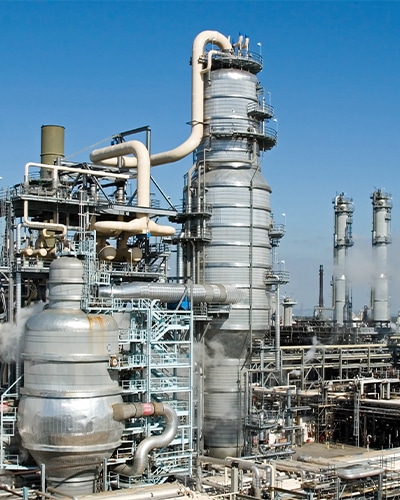
Hot spot detection for critical vessels photo

Hot Spot Detection for Critical Vessels

Thermal monitoring provides a continuous, accurate, and reliable solution for process monitoring and fault detection.

Critical asset monitoring photo

Condition-based Monitoring

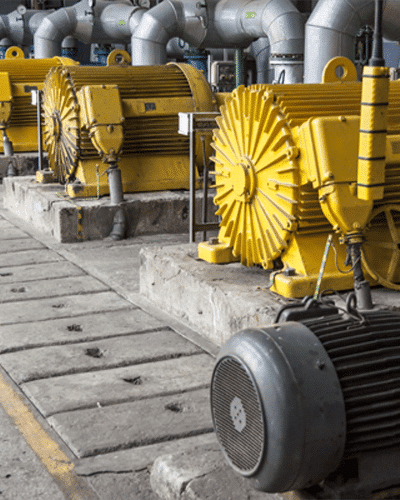
Continuous and reliable temperature measurement solution for critical assets to increase uptime and ensure plant safety.

Flare stack monitoring photo

Flare Stack Monitoring

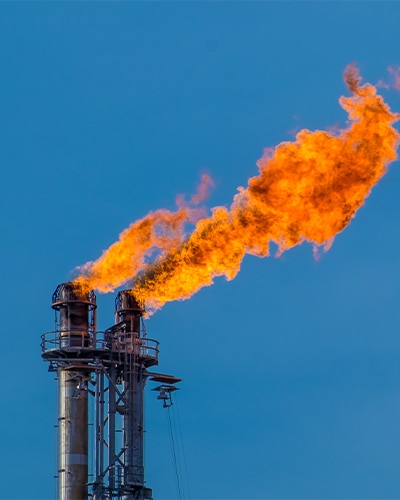
Identify correct pilot ignition, proper burning profiles, and basic flare conditions with automated remote thermal monitoring.

Gas leak detection solutions photo

Gas Leak Detection Solutions

Identify and quantify gas leaks and fugitive emissions with Viper Imaging gas detection and monitoring solutions.

Steel mill refractory monitoring photo

Steel Mill Refractory Monitoring

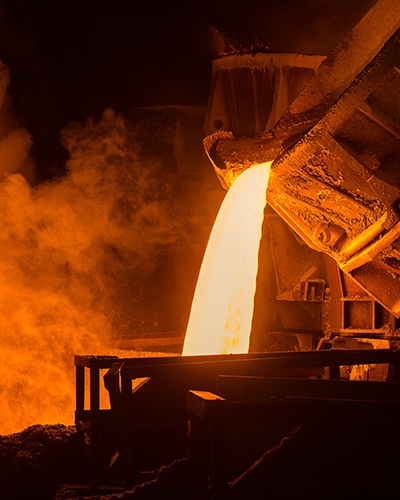
Thermal monitoring systems provide an accurate, reliable measurement solution to ensure plant safety and increase efficiency.

Industrial process monitoring photo

Industrial Process Monitoring

Thermal imaging camera monitoring provides automated inspection, process control, and condition monitoring.

Substation monitoring photo

Substation Monitoring

Continuous thermal monitoring improves the reliability of power delivery systems while reducing maintenance costs.

Early fire detection photo

Early Fire Detection

Automated remote monitoring with thermal imaging detects hot spots before a fire occurs so necessary measures can be taken.

Elevated body temperature detection photo

Scrap Metal Operations Monitoring

Viper thermal monitoring cameras and software offer the visualization and data of the shredding process to detect fires and other potential heat-related events early.

Infrared inspection & calibration service photo

Viper Services

Viper offers a range of field services – conducted by application engineers who are certified thermographers.

Initial Installation | Service Contracts | Supplementary Services

Battery Storage

Battery Storage Monitoring

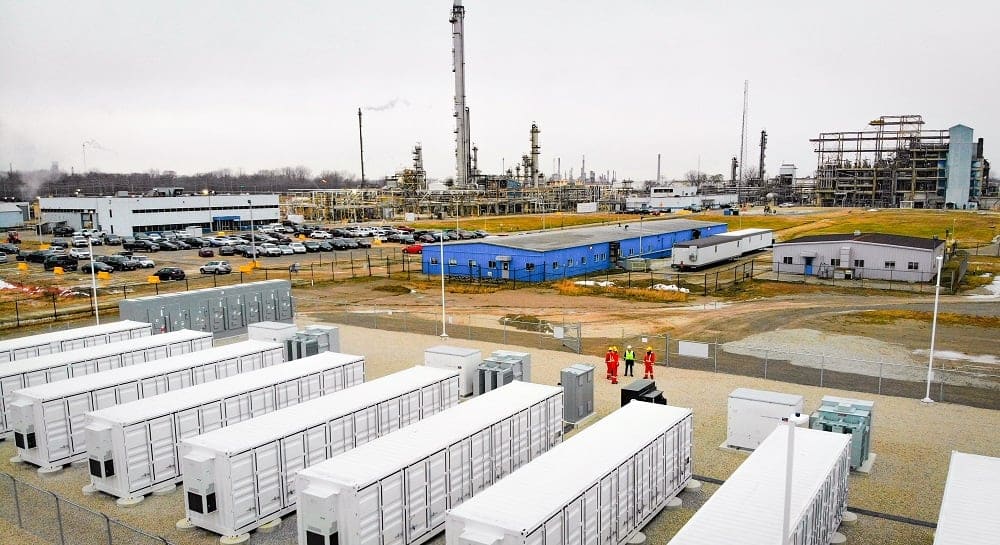
Our solutions detect early-stage hotspots in battery storage facilities by continuously monitoring surface temperatures—so you can act before heat buildup becomes combustion.

Viper Security Solutions

Security Solutions

Remotely monitor your premises with Viper Security Solutions, powered by Flir Cameras

Some of our
Valued Customers

Frequently Asked Questions

Here are 6 FAQs written from the provided content, ready to add to a page (great for FAQ schema markup too):

Industrial thermal cameras are used for predictive maintenance, safety monitoring, and quality control across a wide range of industries. They are also used for early fire detection, identifying thermal runaway and electrical faults before they escalate. They identify overheating motors, bearings, conveyor belts, electrical faults, and heat leaks in furnaces, kilns, and HVAC systems — detecting problems before they cause costly, unplanned downtime. They’re also used in oil and gas for optical gas imaging, in manufacturing for defect detection, and in power generation for monitoring high-voltage electrical infrastructure. Thermal cameras provide live video, which is essential for inspecting moving machinery or rapid processes. They can detect human or vehicle heat signatures in total darkness, smoke, or thick foliage, often with fewer false alarms than traditional cameras.

Modern industrial thermal cameras can detect temperature differences as small as 0.05°C, with high-end uncooled sensors achieving a noise-equivalent temperature difference (NETD) of 20 mK. Many standard industrial models offer NETD of 50 mK or better, which is more than sufficient for identifying hot spots, overheating components, and early signs of equipment failure in most industrial environments.

Industrial thermal cameras range from entry-level models at 160×120 pixels up to high-end systems reaching 1280×1024 pixels. Mid-range cameras commonly used in maintenance and inspection applications typically offer 320×240 pixels, while professional-grade models like the Fluke Ti401-PRO deliver 640×480 pixels at 60 Hz for detailed, fast-moving inspections.

Yes. Most industrial-grade thermal cameras are built with rugged housings rated IP67 or higher, making them resistant to dust, water ingress, and drops from up to 2 meters. Many models are also designed to withstand vibrations common in manufacturing and heavy industry settings, ensuring reliable operation in demanding conditions.

The returns are significant. Proactive maintenance programs using thermal imaging can deliver up to a 10× ROI on the equipment purchase price, while eliminating 70–75% of sudden equipment failures. Organizations can also expect efficiency improvements of up to 50% in industrial settings, and reductions in labor and downtime costs of up to 40% compared to traditional inspection methods.

A thermal camera uses a specialized sensor, typically a microbolometer, to detect infrared radiation naturally emitted by all objects. Specialized lenses focus this radiation onto a sensor array, where each pixel measures temperature and converts the data into a visual thermal image. The choice of lenses, including their focal lengths and zoom capabilities, is critical for optimizing image quality and performance in industrial applications. Software then assigns colors to specific temperature values (false color imaging), making it easy to identify heat anomalies at a glance.

Cooled infrared cameras typically operate at temperatures ranging from 4 K (−269 °C) to just below room temperature, often using compact cooling systems such as Peltier coolers or Stirling cryocoolers. In contrast, uncooled infrared cameras operate at ambient temperature. Many industrial models are fully radiometric, meaning they can measure the absolute temperature of any point in the image, not just relative heat differences.

Yes. Because thermal cameras detect heat radiation rather than visible light, they can operate effectively in complete darkness, through smoke, and in foggy conditions. Thermal imaging does not require visible light or active illumination, as it relies solely on emitted infrared radiation. This makes them invaluable for firefighting (locating hotspots and people through smoke), security surveillance (detecting human or vehicle heat signatures at night), and industrial inspections where visibility is compromised. These cameras can also detect heat leaks in furnaces, kilns, insulation, and HVAC systems, reducing energy waste and lowering utility costs.

SUBSCRIBE TO OUR NEWSLETTER

  • This field is for validation purposes and should be left unchanged.